

Denise Fairchild - Climate Breakthrough
Shifting to an eco-centered economy
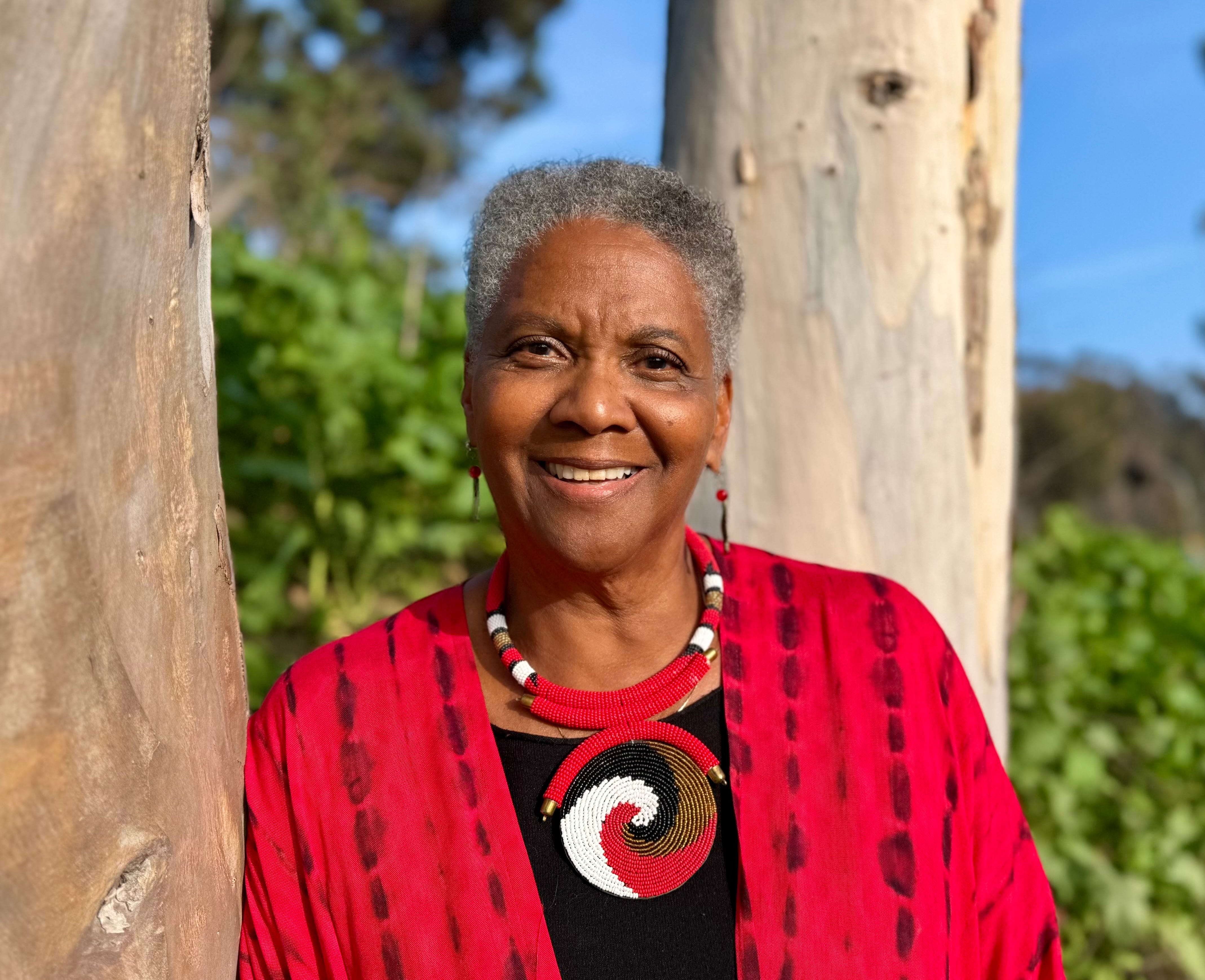
Listen to an audio clip from Denise’s story:
It’s been an amazing journey over 50 years. It’s been like poetry, how everything has been by design in ways that I don’t even understand.
My work in community economic development, sustainable development, organizing and real estate started with my college education at Fisk University, an historically black university in Nashville, Tennessee. I was coming from New York City in 1968, so it was a huge culture shock going to the south at that time, which was at the end of the civil rights era. If you know anything about Fisk itself, it is the training ground for folks like WEB Du Bois and Ida B. Wells, Nikki Giovanni and John Lewis.
Rev. James Lawson’s training in nonviolent direct action was started at Fisk. We were trained to be activists – educated, competent contributors to a larger mission beyond ourselves. It wasn’t about getting educated to make a lot of money. It was what are you doing for your community, for your race? I started as a pre-med major, but I don’t care what course we took, chemistry or history, it was, what is the justice component of this?
I remember being on the yard in my junior year, and a professor came up to me and said, you’re going to be in my new program. They’re very personal and upfront at these HBCUs, they know you and they do their best to pull the best out of you. He had a grant from the Ford Foundation to start an urban planning program. And I’m saying, okay, well, who knows what urban planning is, right? It’s 1970. But it was out of that that I found my professional pathway.
My pathway around justice had started in my freshman year. Martin Luther King was assassinated in Memphis, Tennessee in 1968. In May of ‘69 Fisk students got on the bus, and we went to Memphis to be in this march commemorating his death. We got off and marched to the central square. In a matter of minutes, glass was shattered. Helicopters came out of nowhere, police pointing guns down from tall office buildings onto the marchers in the square, and then there was smoke billowing. We had folks like Robert Kennedy, Ralph Abernathy and all these who’s-who politicos telling us to get down, it’s just a smoke bomb. Well, it wasn’t a smoke bomb, it was tear gas. Everybody’s rubbing their burning eyes and getting headaches. After all the mayhem stopped, they went on with the program and then we walked back to the bus in torrential rain. I mean, we were just soaked. I thought, I’m not doing this anymore!
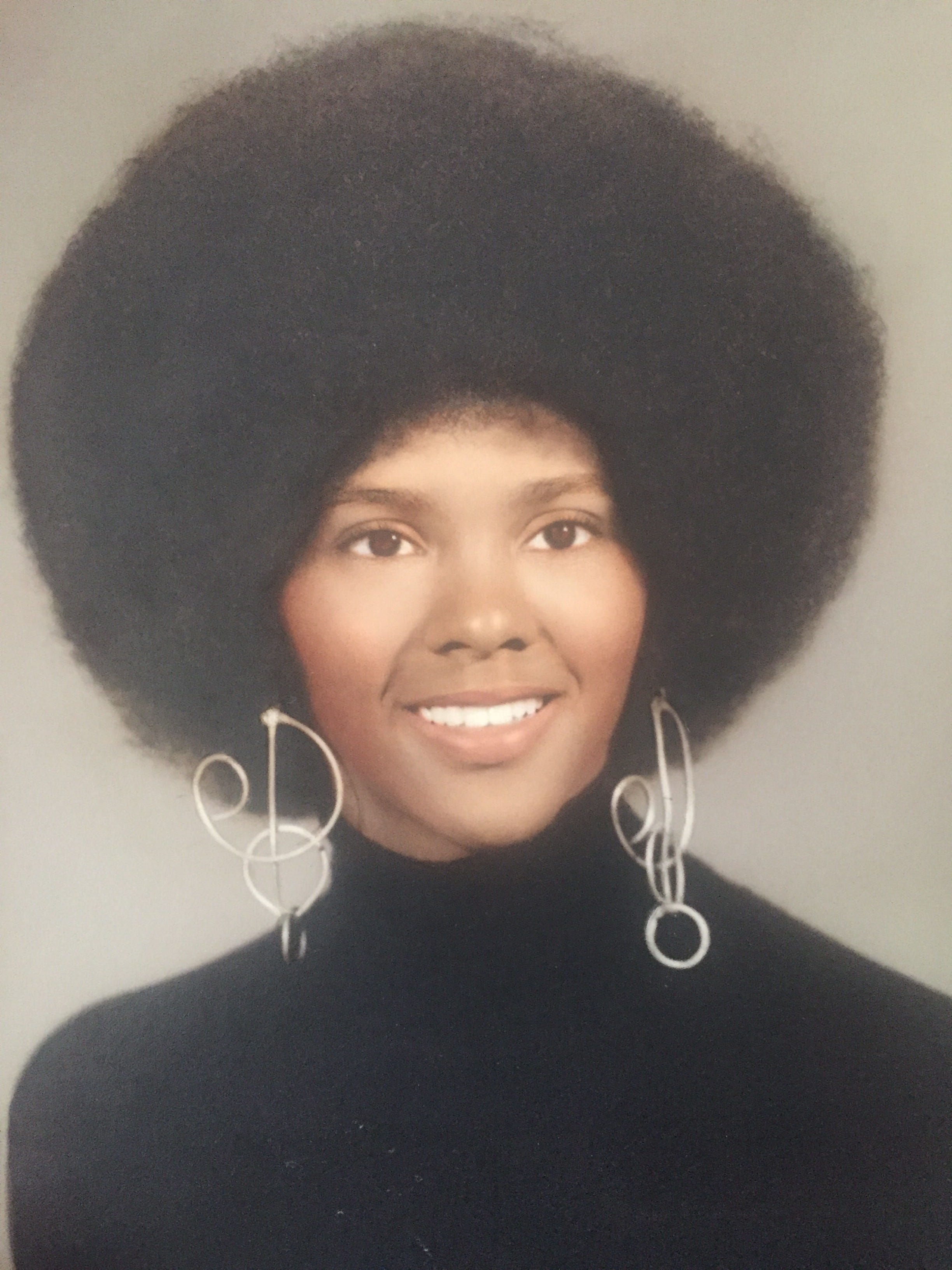
I was so disillusioned with our leaders at that time. I felt that if this is nonviolent direct action, then I’m going in another direction. It was also a time of growth for the Black Power Movement, and I became more radical about how I saw the world and what I thought justice was all about. I grew up in the movement generation, and that’s where the heart and soul of me sits. It was civil rights, and the beginning of the environmental, abortion rights and anti-war movements. It was everything that you could imagine, and it was ingrained in me as an 18, 19, 20-year-old. That’s where I got my vision, my passion about what matters.
My first internship was in organizing with the Newark Welfare Rights Organization. I was helping them develop a food cooperative. I also worked with a Bronx organization developing housing cooperatives. As a 20-year-old, that really meant I was just a gofer -- go get this, go get that, go sweep the streets. That’s what “planning” was at that point for me. I was learning that community planning was organizing and building trust by working on things that the community wanted.
I’ve been on an interesting trajectory ever since. There was a time when I had a sign on my desk that said, “I don’t know what I wanted to be when I grew up, but I knew it wasn’t this.” Who knows at the beginning of life what our career will be as a young adult, and the ending?
After Fisk, I went to the University of Pennsylvania. I consider myself an “affirmative action Negro,” and I am proud of it! I didn’t know that Penn was an Ivy League school, but I pursued a graduate degree in urban planning. At that time, in the early 1970s, environmental laws were being created in the United States under the Nixon administration -- air quality and water quality laws. Environmental planning was becoming an important part of the planning profession. I rejected it. I hated it. I was concerned that the focus on trees and dolphins and birds was taking money, people and attention away from the economic and social justice struggles that we had been pursuing.
There were just of handful of black folks in urban planning at Penn, about six of us in a program of 200 graduate students. We would have these projects, like one where we were given a topographical map. The only thing on it were mountains, a river and a railroad track. We were told to design our ideal community through a group process. So I’m putting affordable housing in the mountains and one of my group mates said, you can’t do that. I’m like, well, why not? Because poor people can’t live in the mountains. Real estate is expensive. And you can’t live by the rivers. So I’m saying, but this is our ideal community, why can’t people live in places that are embedded in nature? You had this environmental thing going on, but issues of social justice were not being attended to, and economic justice was not part of the curriculum. That just fired me up about the work I needed to do.
I graduated from Penn in ‘74, and there were no jobs. There was a gutting of government and social programs in that era, like we’re going through now. The best job I could get was $8,000 a year. I didn’t go to college for that! A friend convinced me to enroll in a graduate program at the University of Michigan. I hated that as well. Instead of a PhD, I got my Mrs. Degree. In other words, I met my (now) ex-husband, who was from Los Angeles. When he graduated in ’77, we went to LA. It was the time when Jimmy Carter became president, and I knew the world was going to open up again. I’ve been here since.
My first job in LA was with Drew Medical Center. I went there as a manager for the community medicine department. I left after about six months because, if you’ve ever worked with physicians, you know they don’t plan to be managed. But before I left, I worked with an amazing physician, Dr. J. Alfred Cannon, who became an important mentor in my life. After the Watts riots of ‘65 he was instrumental in building King Drew Medical Center, Ujima Village and many other community institutions. He was an institution builder, influential and powerful. He asked me not to leave because he was starting an international development program, and he wanted me to work with him on it. He had received money from USAID to develop institutional relationships with the ministries of health throughout Africa, partnering with Drew, Meharry Medical College, Tuskegee and Howard Universities. Our work at Drew focused on integrated rural and community development, and health policy and planning.
Dr. Cannon wanted me to be the deputy director of this program. I kept saying, I’m an urban planner, I’m not a health person. He said, health in Africa is about planning. It’s about sewer and water infrastructure and access to health facilities. It’s the rawest things that you can think of in terms of what it takes to get health into these communities. So I changed my mind to run the program with him. We were influenced by a book by Walter Rodney called How Europe Underdeveloped Africa. It became a framework for figuring out how Europe and America had underdeveloped Watts. We had amazing convenings with African and American counterparts about a liberatory strategy for Africa and African descendants throughout the diaspora. Dr. Cannon said that the mental health and the economic wellbeing of Black people, of African descendants, will never be sorted through unless we are able to claim our African identity. In some ways, that’s the orientation to my work right now…working at the intersection of environment, economy, and equity rooted in African values and traditions.
Environmental issues have followed me all my life. At Fisk, I was doing a trend analysis of air pollution in Davidson County. Who cares? Then it was Penn, and it was a question of the environmental laws and what that meant. Then I get to LA during the era of Mayor Tom Bradley. He was in his last term, and he was trying to get younger people onto the commissions. He selected me to be on the Environmental Quality Board. Oh my God, who cares? But okay, I am going to be in the city family.
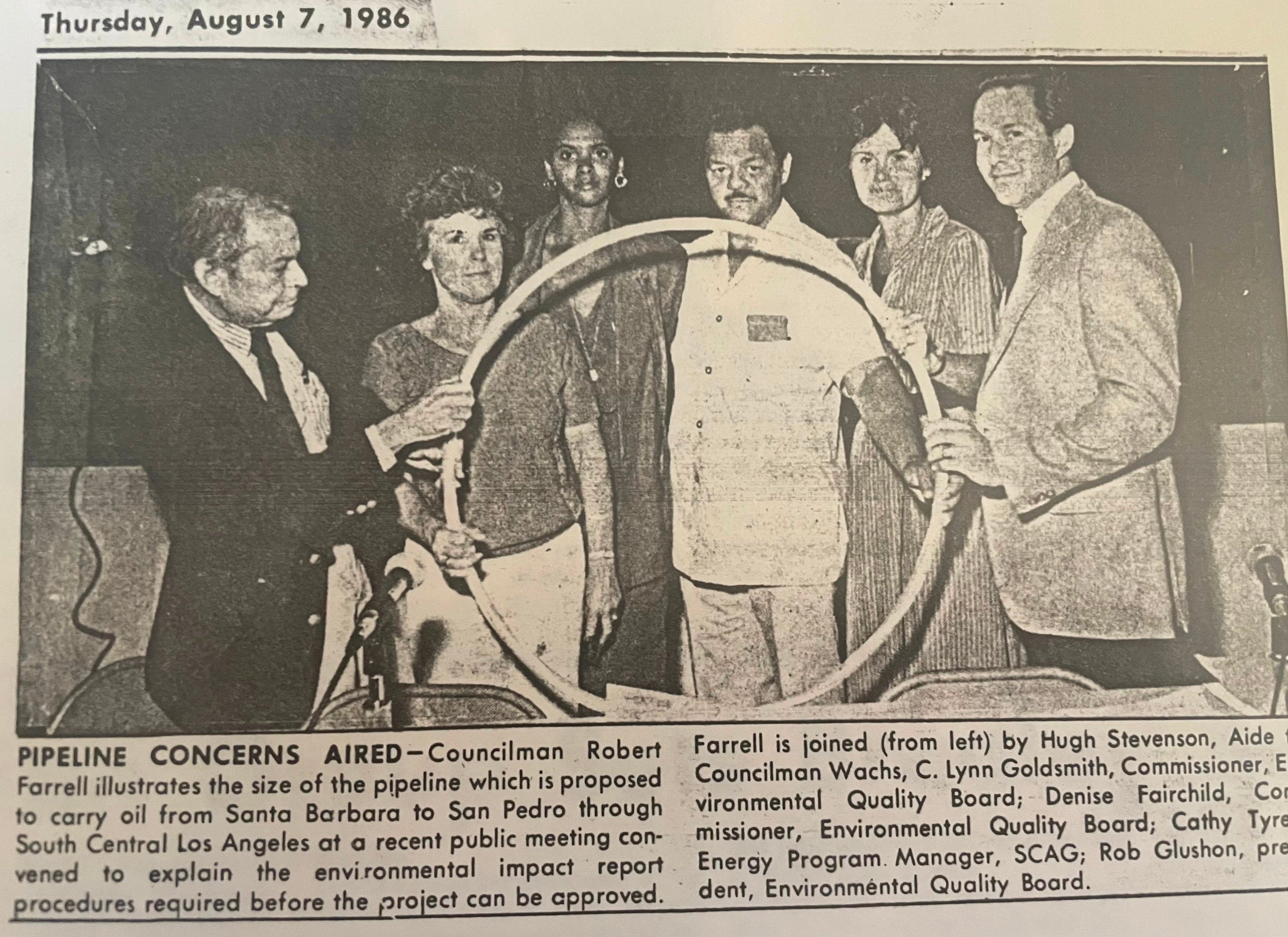
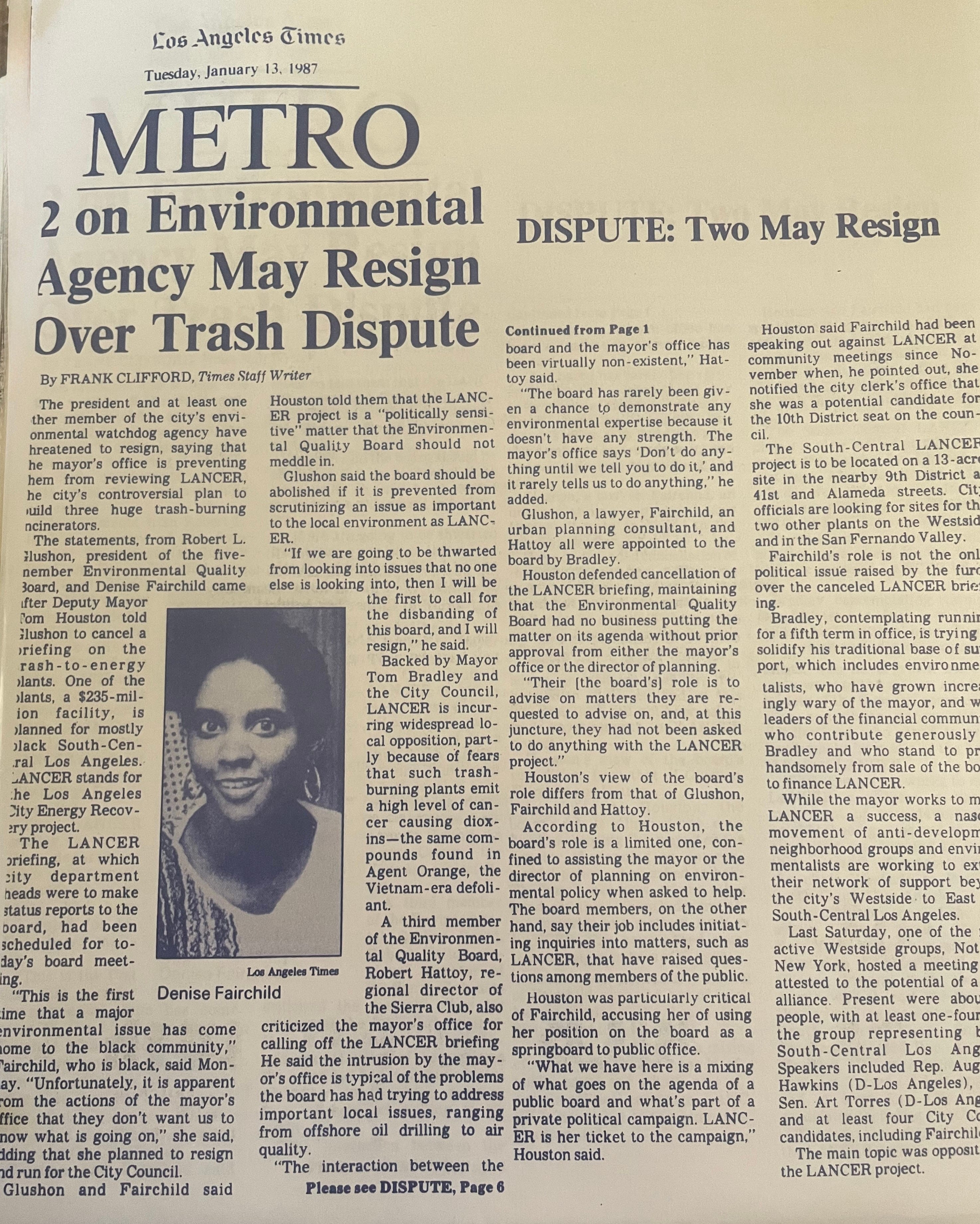
I took the position, but I can tell you those environmental meetings where the West side folks would come to talk about not expanding the street because there’s a bird in the tree - I mean, it just drove me crazy. I hated it. But one day in 1985 several women from South LA (who later organized Concerned Citizens of South L.A.) came to me and asked me about this thing called the LANCER Project. I said, I don’t know anything about that, but I’ll tell you what, I’ll have a public hearing, and I’ll ask the Public Works department to tell me what this thing is. The Mayor muzzled me and told me that I couldn’t have this hearing. It turns out it was a municipal incinerator that was being planned for the Central Avenue community, spitting distance from homes and Jefferson High. This was at a time when we were not even recycling. So the idea of people throwing in plastics and paint cans and everything that’s carcinogenic and that would be spewed into our community was just, well, we didn’t even understand what it meant at the time.
I ended up going to LA’s west side, to an organization called Not Yet New York. They were focused on no growth/slow growth. I went to a meeting and told them that this municipal incinerator was coming to South LA, but I said you guys are next. This sparked a city-wide environmental justice campaign. The campaign to defeat the LANCER Incinerator brought together a partnership between UCLA planning school, environmental organizations, lawyers, scientists and engineers and the South LA community. South LA had the organizing base.
I quit the Environmental Quality Board because they were siting LANCER as a noxious land use in our community without having community input and perspective. They were trying to sell it to us -- we’ll create jobs for you, we’ll give you a park or whatever, it’s not going to be that bad. My whole orientation from Fisk was about community engagement and community involvement, and there was none of that.
It turned into a big fight and was the subject of the LA Times and numerous other news stories. At the end of the day, we defeated the project and got recycling. It was one of the first environmental justice campaigns in the country, along with Cancer Alley in the south. And it spawned other grassroots organizing efforts. Concerned Citizens of South LA joined the fight by the Mothers of East LA to defeat a prison project that had been proposed in East LA. It was this fight that ultimately led me to LISC.
At LISC I said, fighting is important, but what are we building? Let’s become our own community builders. Let’s train grassroots organizations, churches, and residents about land acquisition, tax increment financing, and affordable housing tax credits. We started building low-income, community-owned housing. And then it got to the point where I said, okay, we can build housing, but communities also need both social and physical infrastructure. We began giving grants and real estate financing to churches to become developers. It was the first time. I remember LISC folks asking, why are you giving money to churches? I said, well, they have good balance sheets. And these are institutions that have been in our communities for decades. They’re not going to go away.
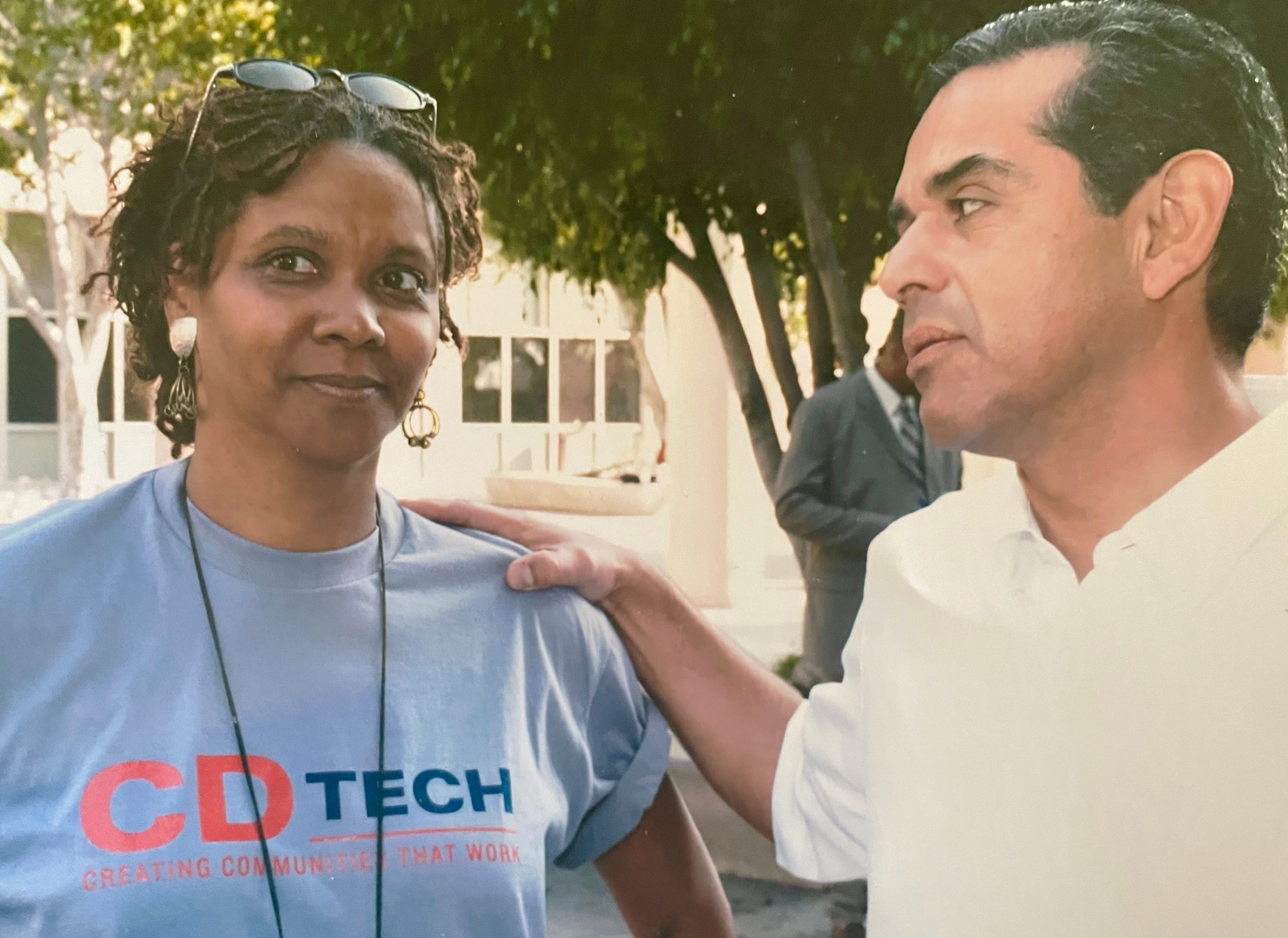
The idea of LISC funding organizing was new then. After the ‘92 civil unrest, I developed a coalition of developers to rebuild impacted neighborhoods, including street vendors, shopkeepers, and community groups. But it got to the point for me where I just knew that housing was good, but not enough, and that we had to focus on economic development. So I left LISC to figure out how to bring in more people into the field. I started the first Community Development associate degree program in the country at Los Angeles Trade-Technical College, and CD Tech, the nonprofit community development practicing arm. I figured that nobody needs to go through graduate school to learn to do what they’re already doing. They were already organizing. They were already trying to figure out how to get rid of crack houses. They were already trying to bring in housing and start businesses. So how do we give them the skills and connect them to networks so that they can get these projects done together? We taught folks to apply their learning in communities. I did that for 15 years. And then, almost at the end of this story, I just wanted to figure out what’s next for me.
Every New Year’s Eve, I go to a meditation place, and I just sort of meditated on that issue. The next day I went to a friend’s house for a get-together, and we had Chinese food. I opened up a fortune cookie, and it said, invest in your wildest dream. The day after that, I got a phone call to ask if I wanted to help launch a new national program, the Emerald Cities Collaborative in Washington DC.
So that got me back to the East Coast, which I love. Emerald Cities was everything that I had learned to do. It was equal parts organizing, real estate development, environmental justice, economic development and sustainable development. It was, how do we green our cities in a process that develops good jobs and business opportunities and equity? And how do we make sure low-income communities of color get to be a part of this new green economy? That’s what I did for the next 12, 13 years.
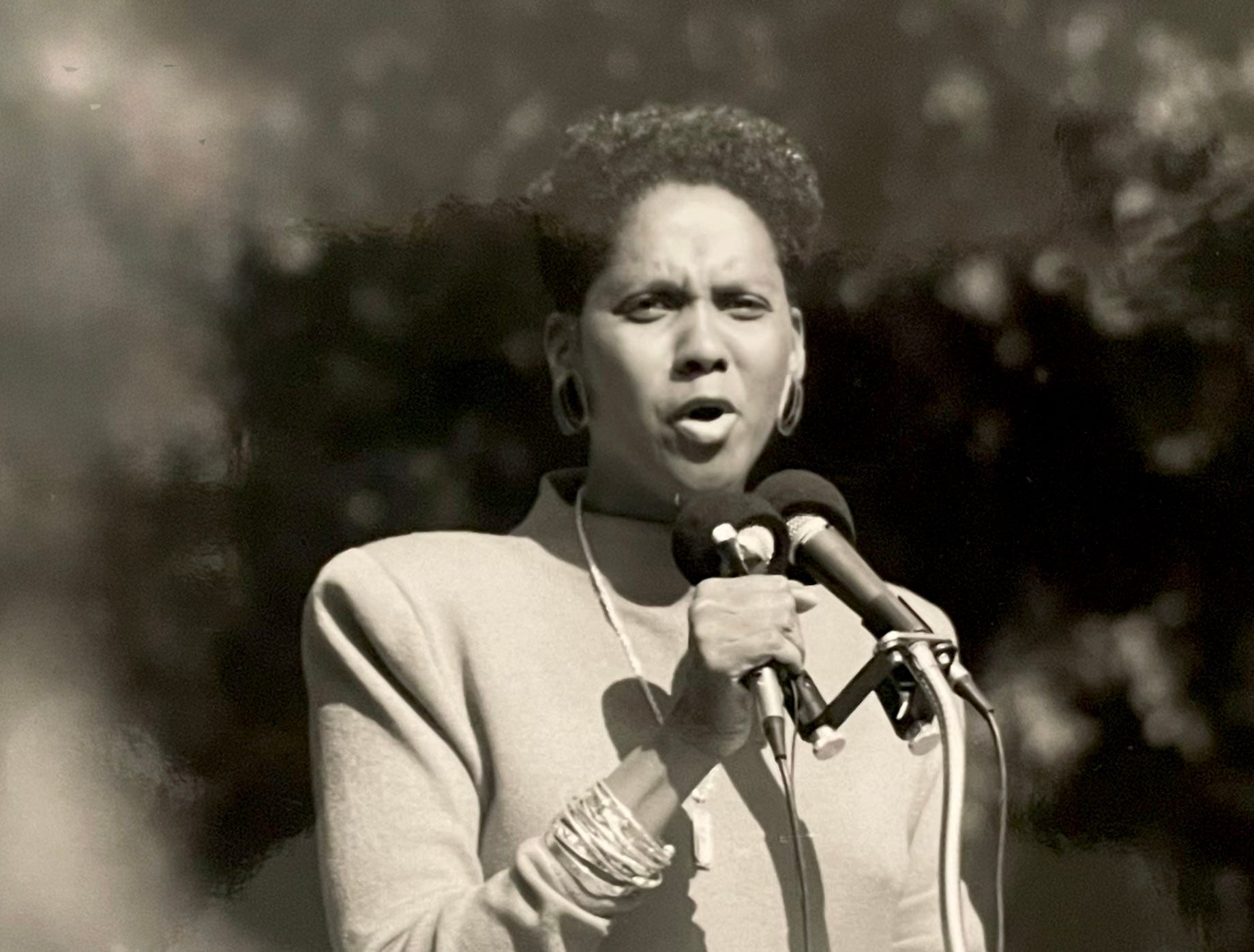
I had intended to retire from that. But then I get a knock on this door from a representative of a philanthropic collective who asked me if I would be open to being nominated as a Climate Breakthrough awardee. I was like, no, thank you, I want to retire. I mentioned this to my youngest son, and he said to me, Mom! If somebody wants to give you $3 million to invest in your wildest dream, why wouldn’t you take it? I said, because I want to retire. He said, you just need a gap year! I’m like, okay, yeah, that’s how you young people think.
I did not take a gap year, but I took the Climate Breakthrough challenge, part of which was to figure out what my wildest dream is. And that’s where I am right now. What I’ve realized is that while the work I was doing was good, it was still transactional. It was not getting at the root cause of our problems, which are anchored in the Western, Cartesian idea that humans are the head of the food chain, and we have the right to dominate everything and everybody else. That is the basis of environmental degradation, of labor extraction, the social divisions of individualism, and competition.
Materialism is undermining our quality of life, our humanity, and our eco-system. Maybe what we’re seeing is last stage capitalism, the dismantling of the myth of the American dream. Our young people can’t buy a house; they’re paying off $200,000 student loans. I’m recognizing how colonized we are, and how we have become good at being colonizers ourselves. We have become so enamored with and addicted and enslaved to stuff, being consumers. I’m not sure this path makes sense for anybody now.
For thousands of years, we found a way to be in harmony by sharing the gifts that have been given to us for free -- water, sun, our earth. But these resources have been commodified, monetized, privatized, and have created class distinctions.
The stuff of food, the stuff of housing, those are essentials. But I’m very clear that it is the environment now. It took me a long time to learn this. Having rejected environmental movement for decades, it wouldn’t let me go. And now I see my work as grounded in traditional African and indigenous approaches to the environment. If we figure out how to treat Mother Earth better, it is the meta solution to our economic and our social justice issues. Maybe we don’t leapfrog to Mars, right? My God, why so nihilistic? Let’s not give up on Earth. Let’s fix this place.
I don’t care who you are, black, brown, white, wherever you’re from, you come from a culture that honors the land. The notion of interdependence and reciprocity with the land is indigenous to all of us. How do we reclaim that? It was taken from us for a notion of accumulation of wealth and commodification and privatization. We have been colonized into modernity. So how do we deconstruct that?
It has taken me back to the unfinished business of King Drew and my work with Dr. Cannon. It has taken me back to who I am as an African woman or a woman of African descent. It has made me recognize that my work today is to figure out how to bring traditional pan-indigenous cultures and values to the forefront – a notion of oneness and interdependence, not just with each other as humans, but with the entire ecosystem.
How do you make a shift from an ego-centered to an eco-centered economy? It seems impossible, but a portal has opened. Dark times are an opportunity to shift. I think about it in terms of my ancestors’ journeys. How did they make it out of slavery? How did they make it out of Jim Crow? The answer that I’m suggesting now is they got out of it through what I call commoning or communal practices of banding together and protecting each other. It is the only way to deal with institutions and systems that were never intended or designed to be caring.
You cannot sell the apocalypse, but you can sell joy. How do we return to the songs, the rhythm, the dance, the notion of who we are as a people? And then ultimately, what are the policy shifts that can be and should be made around land use?
That’s the work that I’m doing now, setting up this intergenerational, cultural shift. It’s not impossible. A portal has been opened. Everywhere I go, in all the conversations I have, young people are there. It has taken me 70 some years to get to where they already are. I think we just need to spotlight them, celebrate them, and accelerate them. My role is just to create the space for them to talk to each other and to break through the silos. I’m listening to the collective intelligence. It amazes me what comes out of people putting their ideas in one bucket!
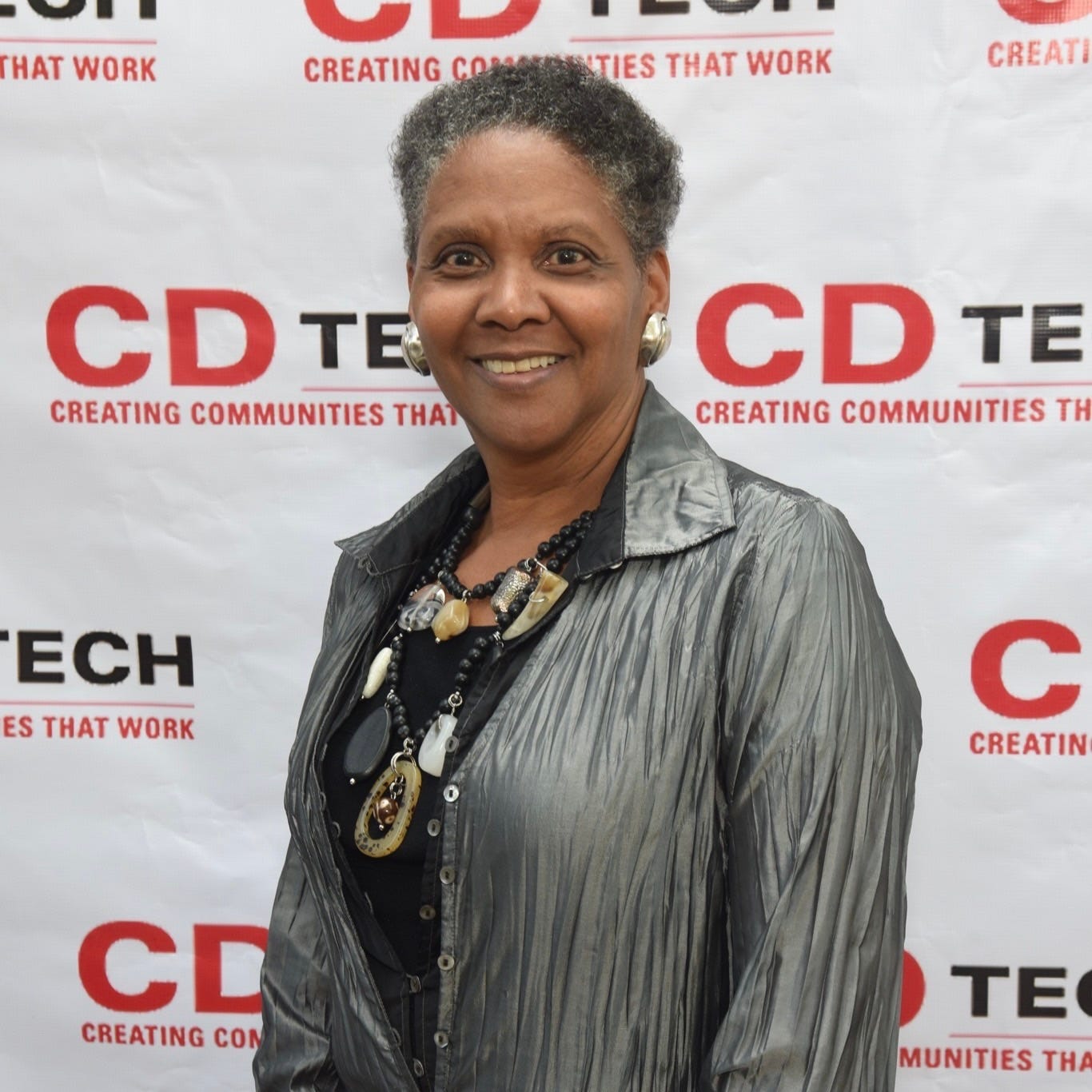
Denise Fairchild has launched the Ubuntu Climate Initiative as an awardee of the $3 million Climate Breakthrough Award, the largest climate award for individuals in the world. She is President Emeritus of Emerald Cities Collaborative, a national organization based in Washington DC that builds community partnerships with labor, environmental and business organizations to increase energy efficiency, clean energy, sustainable foods and clean water with a focus on low-income and communities of color. She is also the Founder and former Chair of CD Tech at Los Angeles Trade-Technical College, and the former Director of LISC, Los Angeles.
Denise is currently working on LA Rising, community initiatives that work at the intersection of climate, arts, play and economic opportunity accelerated by investments in LA28 Olympics and other world games.

So, so good! Much respect for Denise and the work she has done over a lifetime. Grateful and lucky to have our paths cross over 30 years ago.
Wonderful to learn more about Denise’s backstory and her influencers. She has done so much for mother earth and her humans.